Propane · LP-gas
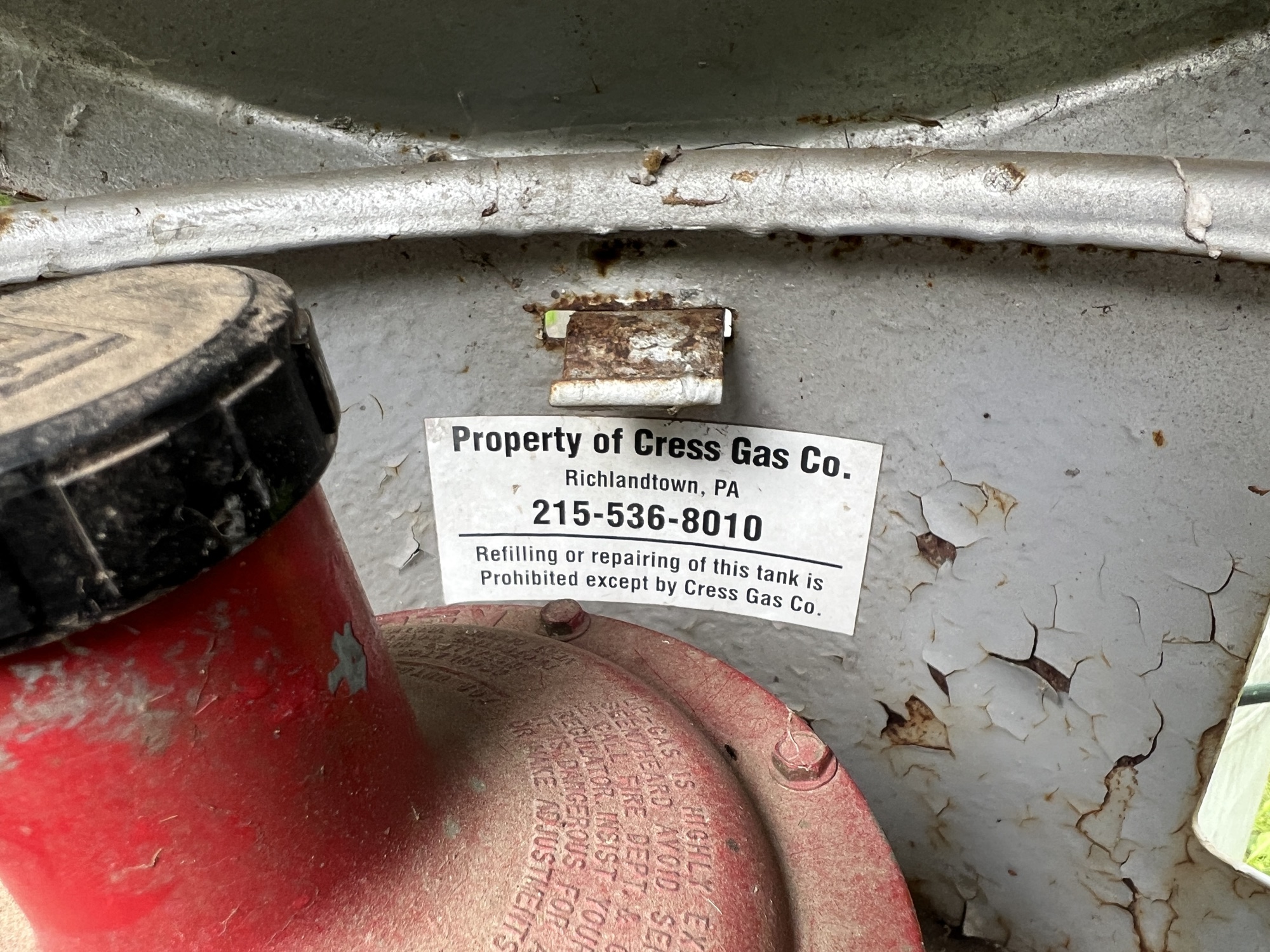
Cress Gas Co. supply
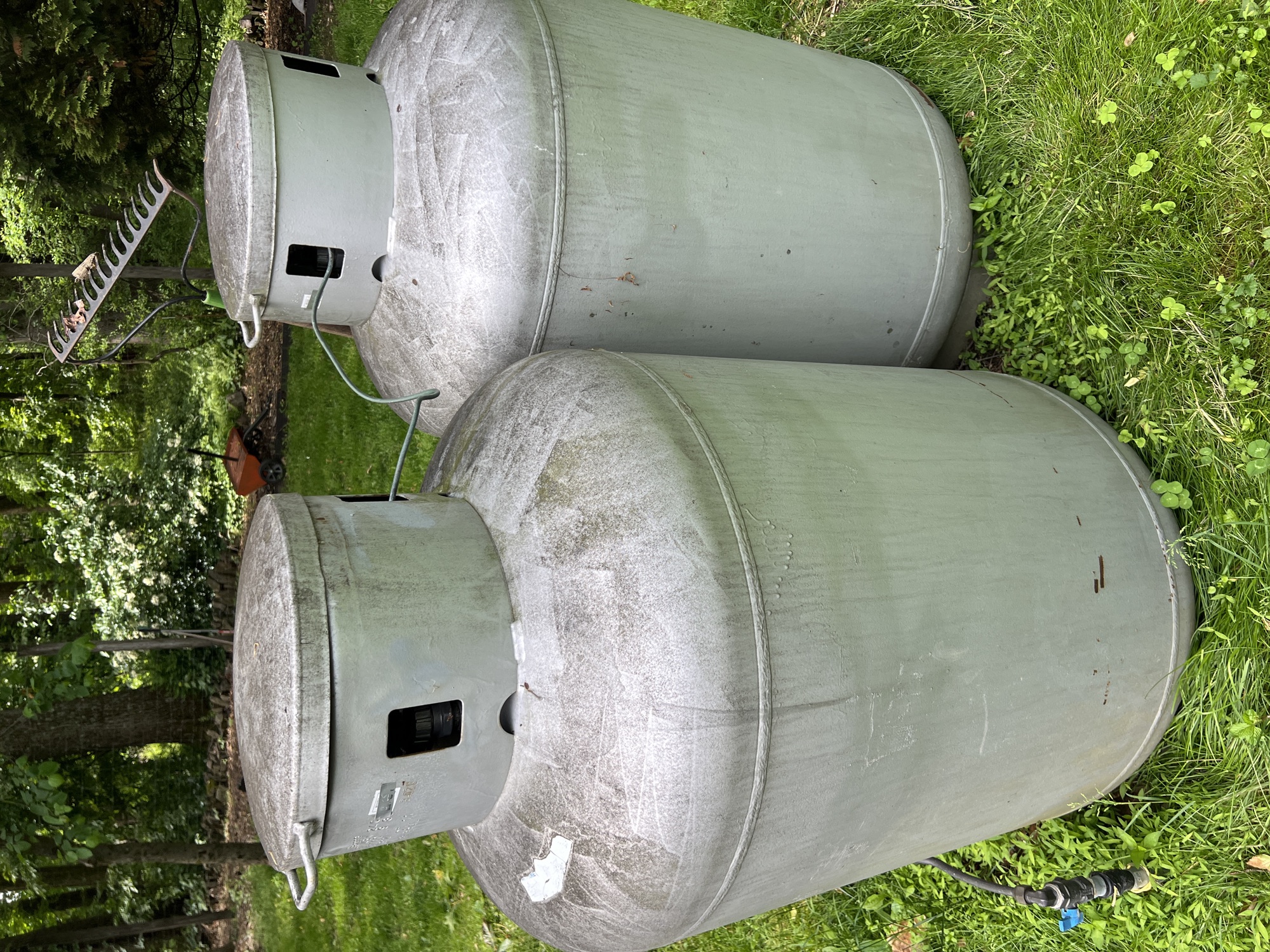
Pair of supplier-owned residential propane tanks · galvanized · DOT-4BW240 compliance · refilling restricted to Cress Gas Co. of Richlandtown PA
Supplier — call first for fills and service
Cress Gas Co.
Address Richlandtown, PA
Phone 215-536-8010
Tanks owned by Cress Gas Co. (supplier-owned residential service model)
Account / customer # TBD — recover from last invoice
Tank specification
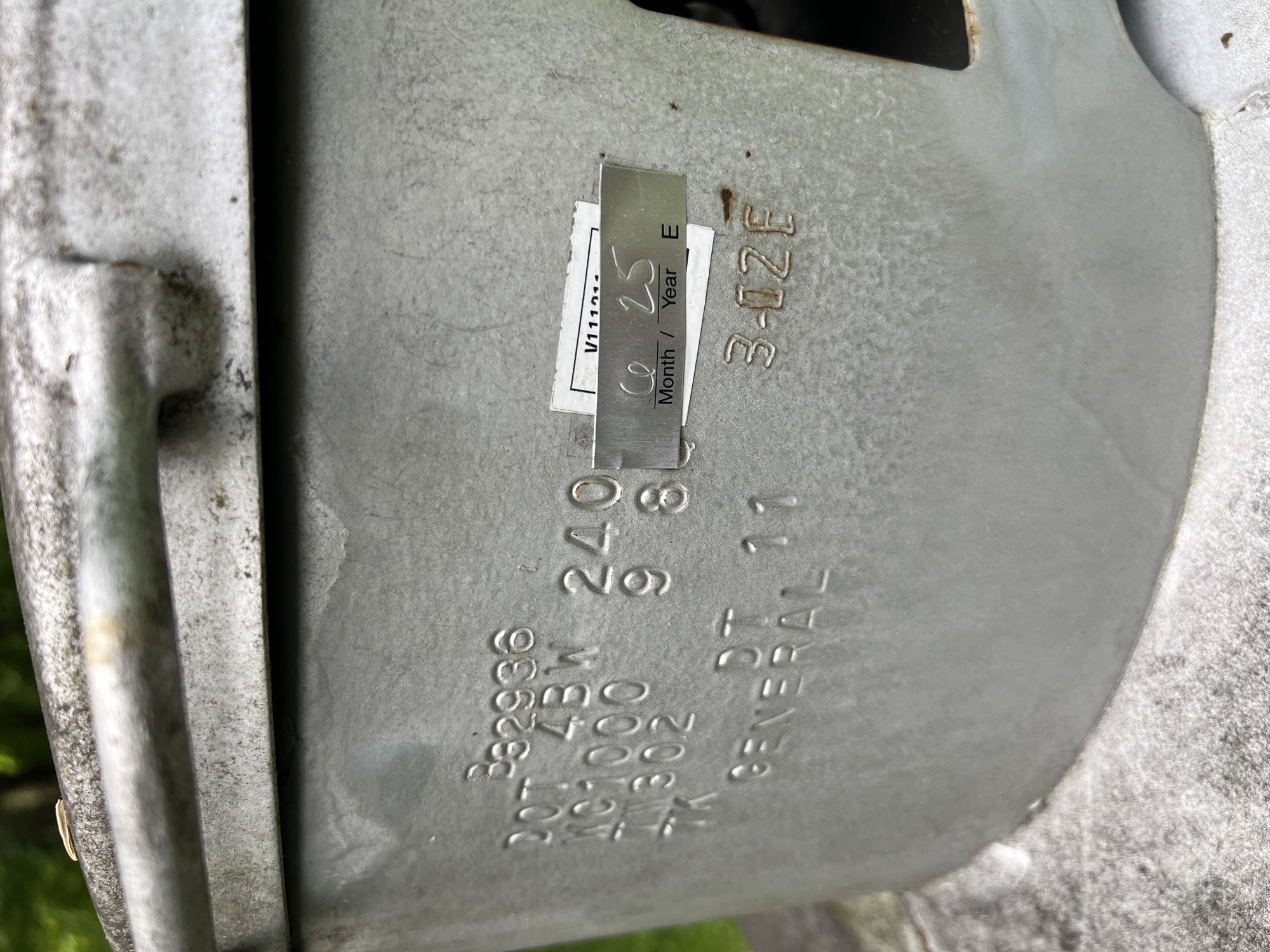
DOT-4BW240 · "4BW" = welded steel, type 4 cylinder · "240" = service pressure rating (psi) · standard residential propane cylinder spec for cylinders <1000 lbs water capacity
Configuration
Paired residential tanks · auto-switching regulator · when one empties, the regulator switches feed to the other and flags the operator (visual indicator) — driver swaps in the empty on the next route
Stamped serial / DOT data
Tank 1 (DOT plate visible in IMG_0447): serial 332936 · MC1000 · month/year code 9-8 (likely Sep 2008) · General Steel · cert tag 3-02E. Tank 2 serial: TBD — capture on next inspection.
Current fuel level
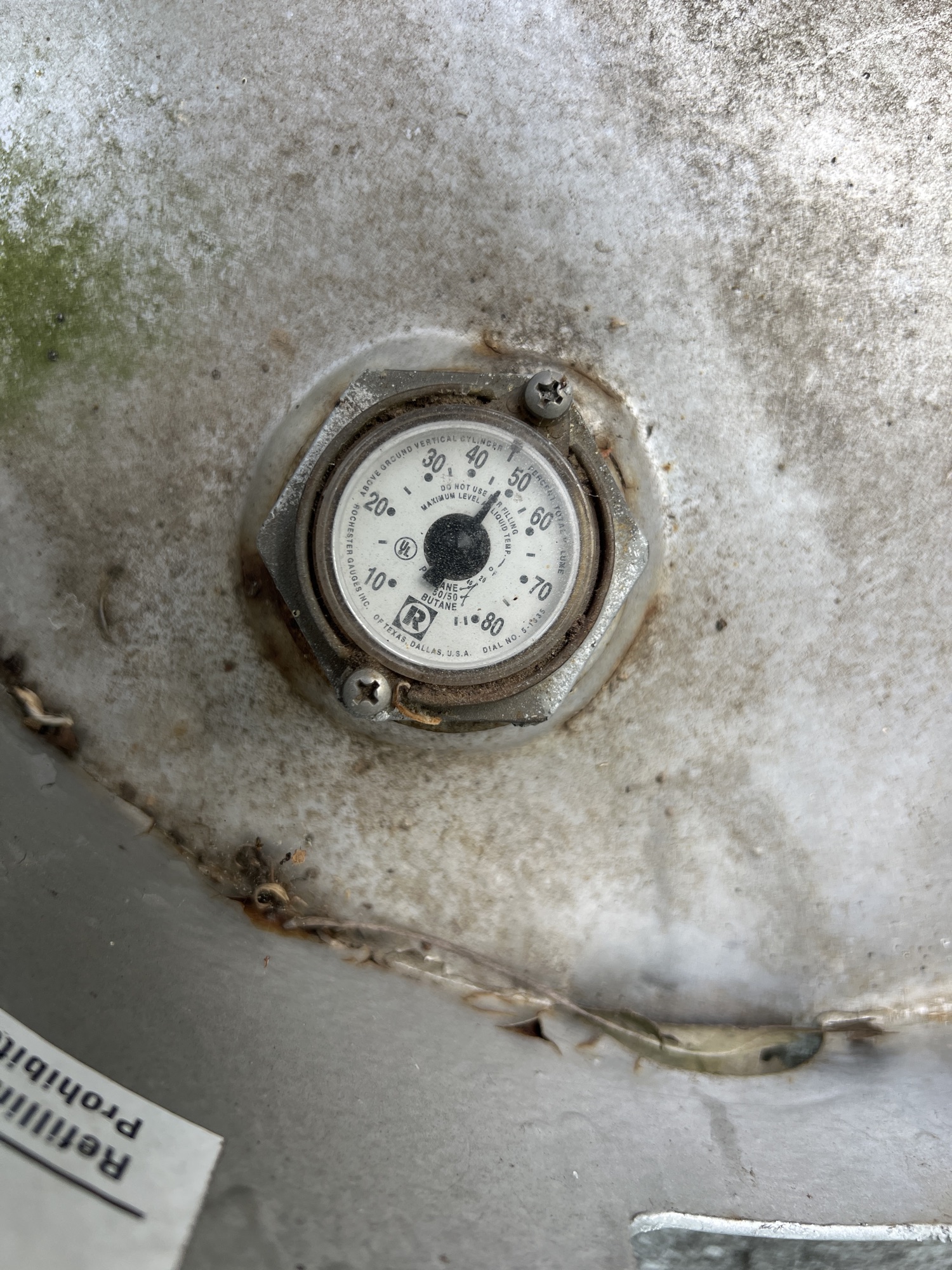
~60% full (gauge reading 26 May 2026, IMG_0450) · note next reading + delta to estimate burn rate · low-side trigger to call Cress Gas: typically 20%
Re-certification interval
DOT-4BW cylinders require visual recertification every 5 years (RIN sticker date) · this is Cress Gas Co.'s responsibility as tank owner, not the property owner's · flag any expired RIN sticker on a service call
Use
TBD — confirm which appliances run on this propane feed · candidates: whole-house generator (Generac GP6500), BBQ grill, pool heat-pump backup / pool heater, fireplace
Location
pa · 6279 Greenhill Road, New Hope PA 18938 · in the grass at the propane pad — paired residential dual-tank installation
Refilling restriction. The Cress Gas Co. ownership sticker explicitly prohibits refilling or repair by anyone other than Cress Gas. Do not let an unauthorized supplier transfer propane into these tanks — it voids the supplier relationship and may breach the lease/usage agreement. When in doubt or in an emergency, call 215-536-8010 first.
Future vision · convert to larger stationary tank
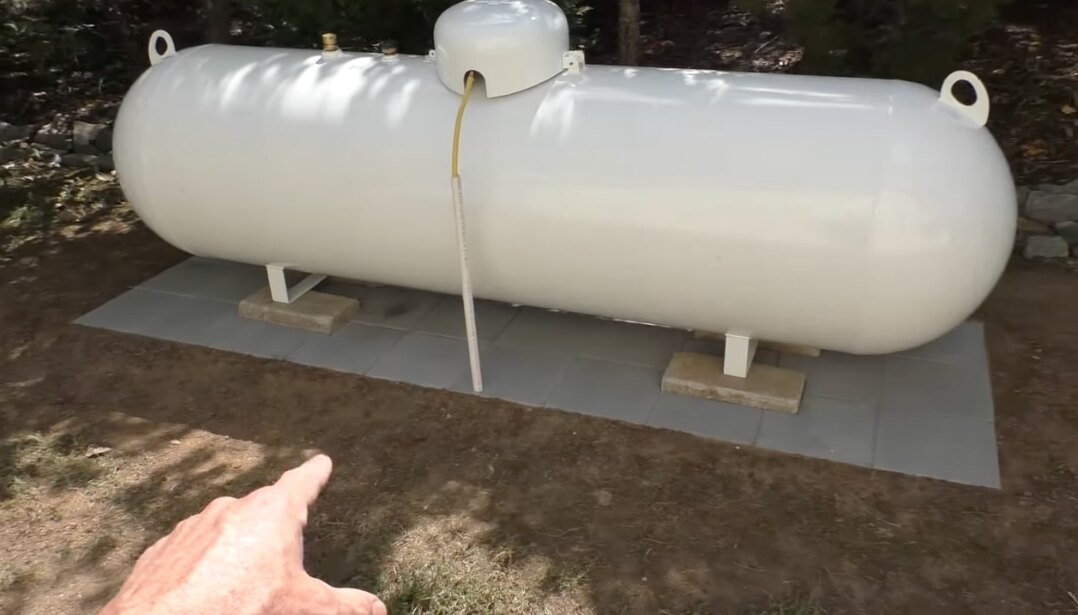
Why convert
(1) One delivery cadence per year (vs. swap-cylinder runs) · (2) lower price-per-gallon at scheduled bulk fill vs. portable-cylinder pickup · (3) ability to add downstream demand (generator, BBQ, future fireplace insert, future pool-heater backup) without re-piping every time · (4) cleaner site — single concealed pad vs. pair of portables in plain sight.
Tank-size class
500 gal covers single-family heat + appliances + generator standby (PA winters); 1000 gal if a future whole-house generator or pool-heater LPG conversion is on the plan. Sizing decision = peak winter draw + delivery cadence preference (annual vs. twice-yearly).
Ownership model
Two options: (a) lease the tank from the supplier (no upfront cost, locked to their gas at their prices), or (b) own the tank outright (~$1,500–3,000 install but free to shop suppliers each fill). Owned tanks are the long-game play once 5+ years of supply spend justify the cap-ex.
Siting
NFPA 58 + PA UCC require minimum setbacks from buildings, ignition sources, property lines (typically 10′ for 500-gal, 25′ for 1000-gal) · 6" concrete or paver pad with weight-distributing block supports · accessible to the delivery truck without rolling across lawn / driveway pavers · screened from sight-lines from the house and street where possible.
Switch-from incumbent
Cress Gas Co. (Richlandtown, PA) — the current supplier of the portable cylinders. If they offer 500/1000-gal bulk service, they're the path of least friction; if not, candidate suppliers include AmeriGas, Suburban Propane, Heller's Gas (Bucks County), or local-co-op options. Get 2 written quotes (lease + owned scenarios) before committing.
Status
Parked — future vision, no active quote-gathering. Trigger to revisit: (a) a new propane-burning appliance (whole-house generator, pool heat-backup, fireplace insert) makes the swap-cylinder cadence painful, or (b) Cress Gas raises the small-cylinder rate enough to make the bulk-fill math obvious.
Fill + service log
No entries yet. Track each fill: date, tank filled, gallons added, paid price, driver name on the receipt. Pattern surfaces burn rate per month and lets you predict next fill date.
Cross-references
- Equipment category index — parent
- Generac GP6500 generator — if the generator runs on this propane supply, the LPG run hours feed back into burn-rate estimation
- BBQ grill — small but steady summer draw if hardwired to this propane supply (vs swap tanks)